
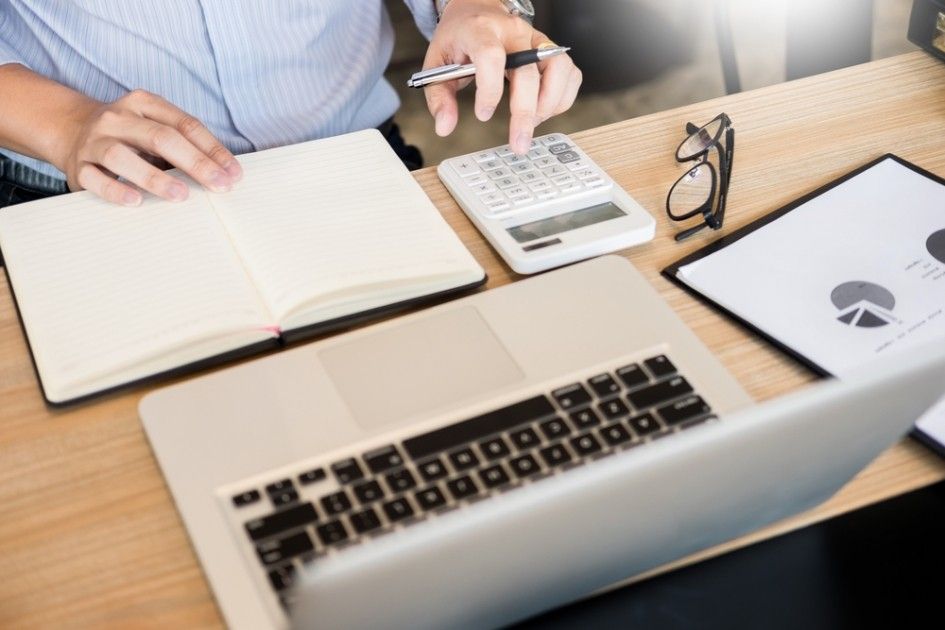
5 Financial Habits that Help You Become a Profitable Sole Trader
Becoming a sole trader allows you to keep the profits in your pocket, but it also comes with more responsibility. You probably start your sole trader journey with big energy. We all do. You get your first client, send that first invoice. But then a few months pass. Money comes in and somehow disappears just as fast. Tax deadlines creep up. You check your bank balance more often than you check your emails.
The truth is, profitability is not luck. It is a habit. It is what you do every week, not once a year. That’s why handling everything with the same style is not the way to become profitable. When you look closely at the profitable sole traders, you may find that they follow certain patterns.
The difference is not usually a massive windfall; it is the quiet, daily habits that help you become a profitable sole trader.
The Financial Habits That Quietly Shape Your Business Future
Keeping Business and Personal Money Separate from Day One
At first, it feels harmless. A quick transfer here. Paying for groceries with your business card just this once. But over time, the lines blur. You stop knowing what you actually earn. Stress builds because the numbers never feel clear.
Profitable sole traders don’t operate like that. They open a separate business account immediately. You have to treat your business like a business, not like a side job. When money comes in, you know it is revenue. When money goes out, you know it is an expense. That clarity changes how you think. It makes you more disciplined without even trying.
Set aside Tax before You Feel Ready
There is a dangerous thought most of us have: “I’ll deal with tax later.” Later becomes panic season. Suddenly, you are calculating figures at midnight, hoping the bill is not worse than expected.
Profitable sole traders move differently. They set aside a percentage of every payment the moment it arrives. Not because it is fun. Not because they enjoy watching money sit untouched. But because they respect their future. Working with an accountant for sole traders also helps you stop guessing. You know what roughly needs to be saved, and that reduces anxiety massively. Tax becomes predictable, not terrifying.
Review Your Numbers Monthly, Even When You Don’t Want to
This is the boring habit no one talks about. You sit down once a month and actually look at your income, expenses, and profit. Not just the bank balance. The real numbers.
Struggling sole traders avoid this. If things feel tight, you don’t look. If things feel fine, you assume all is well. But profitable sole traders stay aware. Make a habit of catching overspending early. You notice which services actually make money. You realise which client drains your time but barely pays. Small monthly reviews prevent big annual shocks.
Embrace Digital Systems Instead of Resisting Them
Spreadsheets work until they don’t. Shoeboxes full of receipts feel manageable until deadlines approach. We sometimes resist change because “this system sort of works”. But is it really a good way to handle business tasks? We all know the answer.
Profitable sole traders adapt early. With regulations like making tax digital Edinburgh, staying organised digitally isn’t optional anymore. You use cloud accounting software. You upload receipts as you go and track invoices properly. It saves hours of stress later. And more importantly, it gives you control. When your records are tidy, your mind feels clearer too.
Pay Yourself Intentionally, Not Emotionally
When money lands in your account, you feel relief. Maybe even excitement. And it is tempting to reward yourself immediately. After all, you worked hard. Sounds familiar, right?
Profitable sole traders don’t ignore enjoyment, but they plan it. Instead of using your emotions, decide on a structured way to pay yourself. A weekly or monthly transfer that reflects what the business can realistically afford. You don’t drain the account after one good month. You respect cash flow cycles. That steady pay gives you stability. And stability builds confidence.
Being a sole trader is not just about skill; it is about behaviour. The small, repeated actions you take today shape how calm or chaotic your business feels tomorrow. We are not perfect. We slip and learn. But if you focus on these habits consistently, you stop surviving and start building something solid. And that shift? It changes everything.



Leave a Reply