
The Top Hidden Reasons Your Garden Plants Keep Dying
For many new gardeners, keeping both indoor and outdoor plants alive for an extended period can be a challenge. There are lots of reasons a plant can die. However, with some basic considerations, you can keep your plants not only alive but also thriving. When you notice that your new plant dies, you should try to work out what went wrong and learn how to succeed better next time.
Your garden often appears healthy at first, but hidden issues can slowly weaken it and lead to unexpected damage. Understanding these hidden reasons helps you take timely action and create a healthy and thriving garden environment.
Silent Problems That Are Destroying Your Garden Plants
Here are the situations that can affect the health and well-being of the plants:
Not Enough Water
If the soil or potting mix repeatedly dries out, it means your plant is not getting enough water. If this keeps happening, your plant will become stressed and may die. You should water all plants regularly, especially those in containers and those sheltered from rain. Regular watering schedules and proper soil monitoring help keep plants hydrated and healthy, especially during hot or windy weather conditions.
Over Watering
Too much water is as harmful as too little water, particularly for plants in containers. As a gardener or homeowner, you need to make sure that the soil or potting mix is beginning to dry out before watering again. Overwatering suffocates the plant roots as it removes oxygen from the soil and can even lead to root rot. Soggy soil and yellow leaves are the most common signs of the result of overwatering. Proper drainage and balanced watering are crucial parts of good lawn maintenance services that help your plants thrive.
Too Little Care
A few plants can thrive on neglect, while most plants need regular care and attention. You should involve yourself in the habit of looking carefully at plants, both indoor and outdoor ones. If you are familiar with how a healthy plant should look, it means you will recognize the signs if something is wrong with your plants. Even the low-maintenance plants still need occasional monitoring to ensure they remain healthy and strong.
Over Fertilising
When a plant is not performing well. Many gardeners reach for the fertilizer. You might be wrong because extra food may not be what your plant needs. Too much fertilizer can be damaging because more established garden plants only need fertilizer once or twice a year. Too many nutrients may cause leaf tips to turn brown and pause plant growth instead of improving it.
Unsuitable Soil
Most plants grow best in a well-drained loam, and for containers, you should select a good-quality potting mix favourable to your plants. Soil quality plays a major role in plant health. If the soil lacks nutrients, drains poorly, or has unsuitable pH levels, your plants may struggle to grow. If you improve soil with compost and organic matter, it creates a better environment for plant development.
Unchecked Pest and Disease Issues
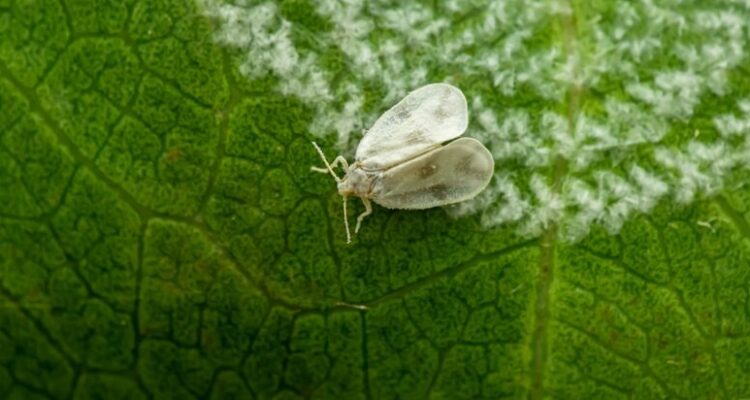
Many pests and diseases attack plants and can lead to plant death. This infestation can be caused by a soil-borne pathogen, such as a fungus or bacteria. Pests are hard to see and can also cause considerable damage before the pest is observed and treated. Regular inspections help to detect early signs of infestation. Professional whiteflies control services can effectively manage these pests and protect plants from serious damage.
Dog Pee
Pet urine contains high levels of salts and nitrogen that not only can harm but also burn grass and plant roots. Repeated exposure may cause brown patches and weakened plants in your garden. You should train your pet to use a designated area to protect your plants from long-term damage.
Your garden plants are struggling to live because several small problems go unnoticed over time. By identifying these hidden causes early and maintaining proper plant care routines, you can protect your plants and create a healthier and thriving garden space that lasts throughout all seasons.



Leave a Reply