
Essential Home Gas Safety Tips Every Homeowner Should Know
You know that smell, kind of like rotten eggs, that makes your stomach drop the second you catch a whiff of it in your house? That instinct is your body doing exactly what it should. Gas safety is one of those things most people never think about until something feels off, and honestly, that is exactly the problem. A little bit of awareness goes a long way here, way more than with most other home maintenance stuff, because the stakes are just higher.
Why Gas Safety Deserves More Attention
Most homeowners spend way more time thinking about their roof or their lawn than they do about the gas lines running through their house. It makes sense, gas systems are usually out of sight and out of mind, quietly doing their job without any drama. But that same invisibility is what makes them risky if something goes wrong. A small leak can build up without any obvious signs at first, which is why knowing a few basics actually matters.
Know the Warning Signs
The classic one everyone has heard of is the rotten egg smell, which is actually an additive put into natural gas on purpose since the gas itself has no smell at all. But there are other clues too, like a hissing sound near a gas line, dead patches of grass in your yard for no clear reason, or even feeling dizzy or nauseous without any other explanation. If you ever notice any of these, do not try to be a hero and investigate on your own, just get out of the house and call for help once you are somewhere safe.
Keep Appliances Clear and Maintained
Gas appliances like your furnace, stove, or hot water tank need a bit of breathing room to work safely. Stacking boxes or storing stuff right up against them is more common than people realize, and it can actually interfere with proper ventilation. Giving these appliances some space, and having them looked at occasionally, keeps them running the way they are supposed to instead of quietly building up issues nobody notices until it is too late.
Do Not DIY Anything Gas Related
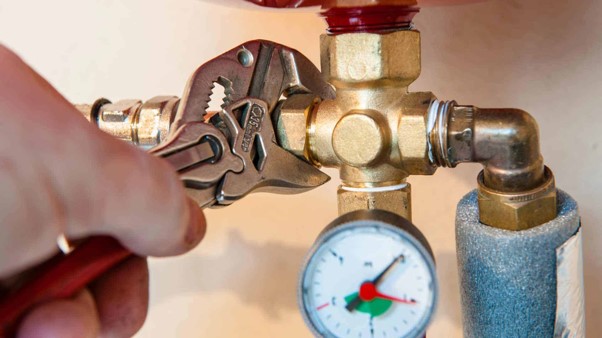
This one is probably the most important tip on this whole list. Gas work is one of those areas where a quick YouTube tutorial just does not cut it. Even something that seems small, like reconnecting a line after moving an appliance, requires precise fittings and pressure testing that most of us are not equipped to handle properly. professional plumbers train specifically for this kind of work because the margin for error is basically zero, and getting it wrong can have serious consequences.
Install Carbon Monoxide Detectors
Carbon monoxide is the sneaky cousin of a gas leak, completely odorless and invisible, which makes it even scarier in some ways. It usually comes from improperly vented appliances or a furnace that is not burning fuel correctly. Having detectors installed on every level of your home, especially near bedrooms, gives you an early warning system that you genuinely cannot get any other way. Replacing the batteries twice a year, maybe alongside your smoke detectors, is a habit worth building.
Get Your Lines Inspected Periodically
Even if nothing seems wrong, gas lines benefit from a periodic check up just like anything else in your home. Connections can loosen slightly over time, especially in older homes, and corrosion can creep in without any obvious symptoms. Scheduling an inspection every so often catches these small issues long before they ever become dangerous. This kind of preventive check is exactly the sort of thing gas fitting services are built around, catching problems early instead of waiting for something to go visibly wrong.
Know Where Your Shutoff Valve Is
This is such a simple thing, but a lot of homeowners genuinely do not know where their main gas shutoff valve is located. In an emergency, knowing exactly where it is and how to turn it off can make a real difference in how quickly a dangerous situation gets under control. Take five minutes to locate it, maybe even snap a photo on your phone so you remember, and make sure other adults in your household know it too.
Trust Your Gut
If something ever feels off, even if you cannot quite explain why, trust that instinct. Gas safety is not the place to second guess yourself or wait around hoping the feeling passes. Better to step outside and make a call than to brush off a weird smell or sound and regret it later.
Wrapping This Up
Gas safety is not something that needs to live in the back of your mind every single day, but it does deserve a little respect and attention every now and then. Learning the basics, knowing the warning signs, and not being afraid to ask for help when something feels wrong puts you way ahead of most homeowners. It is one of those areas where being a little cautious costs you nothing, but skipping it altogether can cost you everything. Take the time now, your future self will be glad you did.



Leave a Reply