
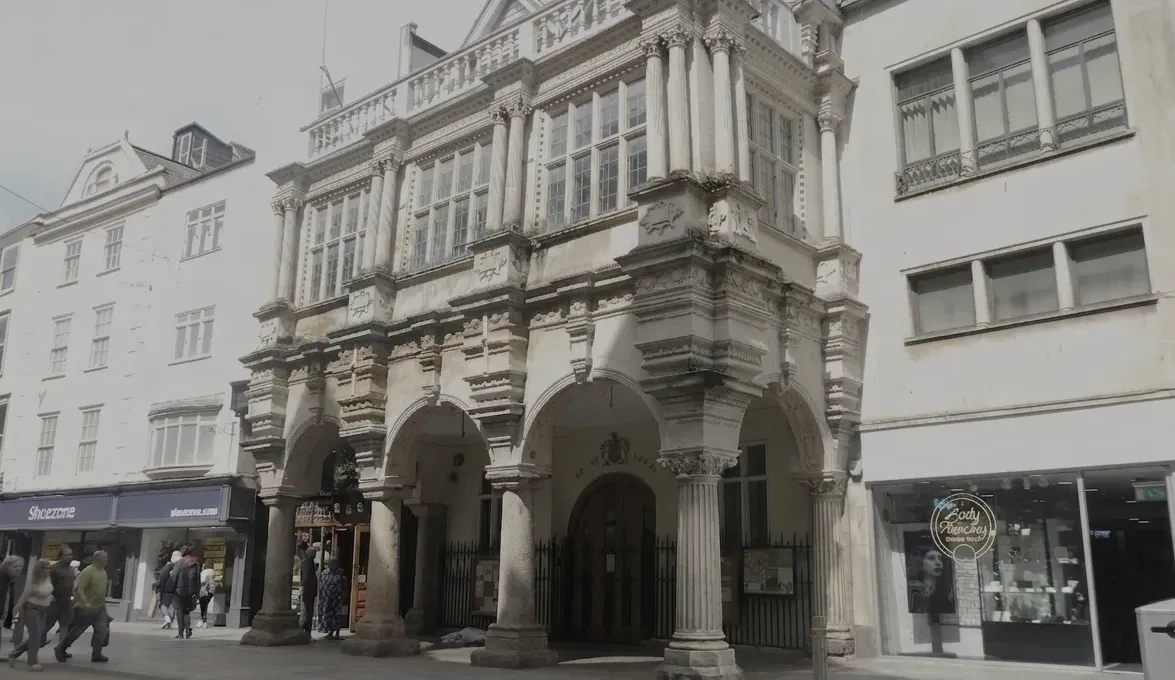
Giving Historic Properties a New Life Without Losing Their Character
There is something different about an old building that you cannot quite get from a brand new house. Maybe it is the uneven stonework, a worn staircase, an old fireplace, or the way every room seems to have a story behind it. That character is often the reason people fall in love with historic properties in the first place. The challenge starts when the building needs more space, better energy performance, or a layout that actually works for modern life. Renovating an older property takes patience and a little more thought, but that does not mean you have to choose between history and comfort. With a sensible plan, the two can work together surprisingly well.
Begin With What You Already Have
Before thinking about adding rooms or changing the layout, take a proper look at the building as it stands. Older properties can contain details that are easy to overlook, especially when previous owners have covered, altered, or repaired them over the years. A condition survey can help identify structural concerns, moisture issues, damaged materials, and features that deserve special attention. It can also give you a clearer picture of what needs doing first. This is especially useful when you are buying a historic property because understanding repair costs and restrictions early can save some unpleasant surprises later.
Understand Why the Building Matters
Not every old building has the same level of historical importance, and even within one property, some parts may matter more than others. The age, construction, original features, later alterations, and connection with its surroundings can all affect how a project should move forward. Heritage architects uk can bring specialist knowledge to this stage, helping property owners understand the significance of a building before making major decisions. That understanding can influence everything from material choices to the location of a new extension. It is much easier to make sensible changes when you know what you are trying to protect in the first place.
Do Not Rush Into a Design
It can be tempting to start sketching your dream kitchen or extension as soon as you buy an old property. But taking a step back first can actually make the process easier. A feasibility study can explore the building, its surroundings, possible uses, planning restrictions, heritage significance, and different design options before you commit to one direction. This gives you an opportunity to test ideas while they are still ideas. You may discover that one option gives you more space, better natural light, or easier access without requiring major changes to the most important parts of the building.
Modern Does Not Have To Mean Out of Place
A historic home does not need to look like a museum. People still need warm rooms, useful kitchens, comfortable bathrooms, good lighting, and sensible storage. The interesting part comes from finding ways to add those things without overpowering the original character. A modern extension, for example, can clearly look contemporary while still responding to the scale and materials of the existing property. The same principle can work inside the building, where carefully planned changes can improve everyday use while allowing original features to remain visible and appreciated.
Pay Attention to Materials
Materials can make or break a restoration project. Traditional buildings often rely on stone, timber, lime mortar, lime plaster, and other materials that behave differently from modern construction products. Using the wrong material can sometimes create problems rather than solve them, particularly where moisture needs to move naturally through an old wall. Taking time to understand how the building was originally constructed can help you choose repairs that work with it rather than against it. Sometimes a less dramatic repair is actually the better long term solution because it protects more of the original fabric.
Plan For Permissions Early
Planning and listed building consent should not become an afterthought. Changes that affect the historic or architectural character of a listed property may need consent, and applications can require detailed drawings, heritage information, surveys, and supporting reports. Talking through an idea with the relevant authority before submitting an application can also help identify concerns early. This does not guarantee an approval, but it can make the proposal clearer and reduce the chance of discovering important issues after you have already invested heavily in the design.
Think About The Future Too
A successful historic building project should not only solve today’s problems. It should also make the property easier to maintain and use in the years ahead. Energy efficiency, sensible repairs, natural light, accessibility, and flexible spaces can all play a role. At the same time, not every modern upgrade needs to happen at once. Creating a clear plan allows owners to decide which work matters most and which improvements can wait. That approach can make a large project feel much more manageable while keeping the building’s long term health in focus.
Let The Building Have A Voice
The best renovations usually do not try to hide the fact that a building is old. Instead, they allow its history to remain part of the experience while giving people a comfortable place to live, work, or gather. Take the time to understand the property, repair what can be repaired, question changes that may cause unnecessary damage, and leave room for thoughtful new ideas. Old buildings have already survived decades or centuries of change. With the right balance of care and creativity, they can continue to evolve without losing the character that made them worth saving in the first place.


Leave a Reply