
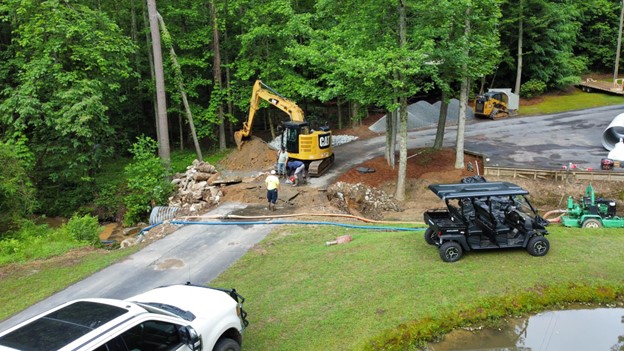
Common Site Planning Mistakes That Affect Long-Term Infrastructure
Construction usually starts with big ideas. A building plan, maybe a new commercial space, sometimes even a full development project. But before any structure rises above the ground, something quieter happens first: the planning of the site itself.
When site preparation is rushed or poorly planned, the consequences may not appear right away. A project might look perfectly fine in the beginning. Then months later, or maybe years, small problems begin to show.
So what actually goes wrong during site planning? A few mistakes appear again and again in construction projects.
Planning Mistakes That Can Weaken Construction Infrastructure Over Time
Ignoring Natural Drainage Patterns
Water has a habit of finding its own path. It doesn’t care much about building plans.
At some point during planning discussions, the thought often comes up — How can poor drainage planning affect a construction project? The answer is usually seen later when water begins collecting around structures. That standing water slowly weakens the surrounding soil. Over time, it can cause erosion, foundation pressure, or even flooding near buildings.
That’s why proper stormwater management Atlanta projects relies heavily on understanding how water travels across a property before construction even begins.
It’s not just about pipes and drains. It’s about respecting the natural movement of water.
Failing to Identify Underground Systems Early
Another mistake happens before the first shovel even hits the ground. Underground infrastructure sometimes gets ignored during early planning.
Beneath most construction sites, there are already networks in place. Utility lines, water pipes, communication cables, and sometimes gas systems, too. Missing these during the planning stage can create major problems later.
Projects that involve underground utility services North Georgia require careful mapping and inspections. If those systems are not properly located, excavation work can accidentally damage them.
Poor Grading and Uneven Ground Preparation
Grading may not sound exciting, but it plays a huge role in long-term infrastructure stability.
If the ground isn’t leveled and compacted correctly, buildings may sit on soil that shifts over time. At first, everything seems fine. Then slowly things begin to change.
Common signs of poor grading might include:
- Uneven settlement around foundations
- Water pooling near structures
- Walkways or driveways are sinking slightly
These issues often trace back to the early stages of site preparation. The ground simply wasn’t shaped properly to support the structure long-term.
Rushing the Site Assessment Process
Construction timelines can sometimes push teams to move quickly. Deadlines, budgets, scheduling pressures — all of that adds urgency.
But rushing site assessments is another mistake that shows up far too often. A proper site evaluation looks at multiple factors:
- Soil stability
- Drainage patterns
- Existing underground infrastructure
- Land slope and elevation
Skipping careful evaluation can lead to decisions based on incomplete information. And when infrastructure problems appear later, fixing them becomes far more expensive than planning properly from the beginning.
Planning Matters More Than People Think
Many infrastructure problems don’t start with the building itself. They start with the ground underneath it.
Poor drainage, overlooked utilities, or unstable soil may not seem serious during early construction stages. But over time, those small oversights can turn into major structural concerns.
In the end, successful construction rarely happens by accident. It begins with careful decisions made long before the first foundation is poured, right there at the site planning stage.

Leave a Reply