
Excessive Screen Time? Meaningful Outdoor Activities to Keep Kids Engaged
There is this quiet thing that happens in many homes. A child sits with a screen. One video becomes five. One game turns into hours. Nobody really notices when it crosses the line. It just slowly does. The room feels calm, yes. But also a little empty. Conversations get shorter. Energy feels stuck.
Excessive screen time is not only about tired eyes or bad posture. It is about something softer. Missed sunlight. Less laughter. Fewer random questions about clouds and ants and why the sky changes colour. Kids are not meant to stay still for that long. They need space. Noise. Air. Real things to touch.
Pulling them away does not have to be dramatic. No need for big speeches or sudden bans. It just needs better options. Real ones.
Interesting Outdoor Activities for Kids Glued to Screens All the Time
Let Them Wander and Get Curious
Children are naturally nosy in the best way. Give them a park, a field, even a messy backyard, and they start exploring. They pick up stones. They chase butterflies. They ask questions nobody can fully answer.
Simple outdoor ideas that often work better than expected:
- Nature walks with no strict plan
- Scavenger hunts for leaves, feathers, tiny insects
- Cloud watching and making up stories
That kind of slow exploration does something screens cannot. It calms the mind but wakes up the senses.
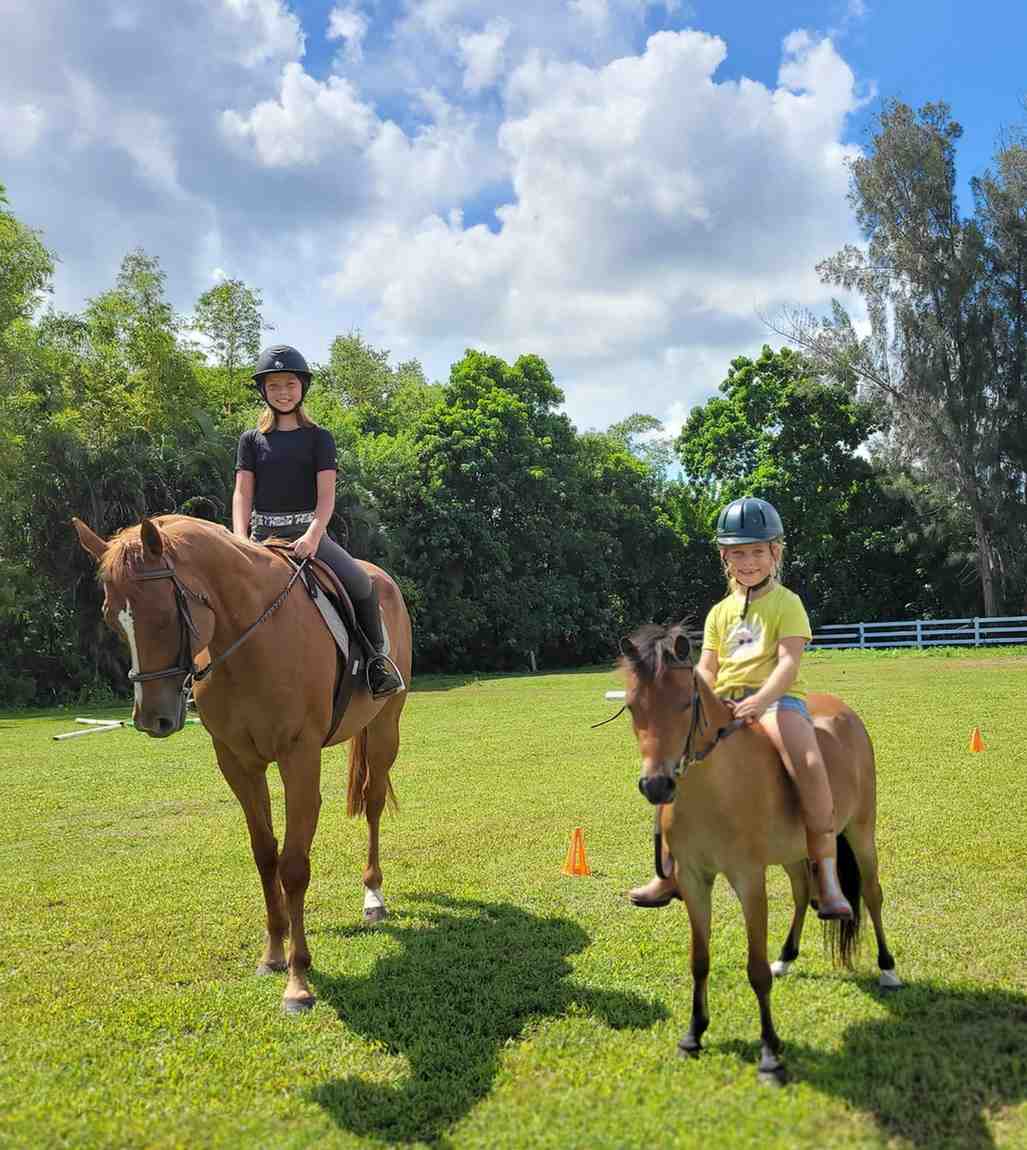
Some families explore activities like equine education for kids, where children spend time learning about horses, grooming them, and understanding how they behave. Being near such large, gentle animals changes something inside a child. It teaches care. It teaches patience. It builds confidence quietly, without pressure. No flashing lights. Just a real connection.
Movement That Feels Good, Not Forced
Not every child wants structured sports with medals and competition. Some just need to Not every child wants structured sports with medals and competition. Some just need to move. To run until their cheeks turn pink. To cycle fast and feel the wind. To kick a ball without anyone keeping score.
Outdoor movement can look like:
- Casual football at the park
- Swimming on warm afternoons
- Evening cycling around the neighbourhood
- Simple races just for fun
That irritability that often follows too much screen time starts fading. Sleep becomes deeper. Appetite improves. There is something honest about physical tiredness. It feels earned.
And when families join in, even casually, it becomes more than exercise. It becomes shared time. Shared jokes. Small victories.
Creativity Belongs Outside Too
Art does not need four walls. Set up paper on a garden table. Let chalk cover the driveway. Let paint drip. Let hands get messy.
Outdoors, children seem less afraid of mistakes. There is space to experiment. No one worries about spilling colour on the grass. That freedom allows emotions to come out naturally. Sometimes a child who struggles to talk about feelings will draw them instead.
Gardening works the same way. Planting seeds and waiting teaches patience in a very real way. Watering something daily builds quiet responsibility. Watching a tiny green shoot appear brings genuine excitement. Screens cannot compete with that kind of magic.
Games That Never Needed Charging
Old games still work. Hide and seek. Tag. Building little forts from whatever is around. These things sound simple, almost old-fashioned, but they still light kids up.
During free play, children learn how to take turns, how to handle small disagreements, and how to cooperate. They figure things out without adults solving every tiny problem. Laughter becomes louder. Running replaces scrolling.
After a while, something shifts. They start asking to go outside. That says a lot.
Real Experiences Leave a Mark
Outdoor engagement can also mean learning new skills. Camps. Workshops. Hands-on classes that use the whole body.
For instance, joining horse riding classes Florida can be a turning point for some children. Sitting on a horse for the first time feels huge. A little scary. Then slowly, balance improves. Control improves. Fear reduces. That kind of achievement stays with a child. It builds inner strength in a way a virtual win never does.
When learning involves touch, movement, and even a bit of nervousness, it sinks deeper.
Notice Real Results with Small Changes!
Reducing screen time does not have to feel like a battle. Start small. One evening a week without devices. One regular outdoor routine. A weekend morning walk that becomes a habit. Children respond to what feels exciting, not to what feels restricted.
Technology has its place. It informs. It entertains. But it cannot replace sunlight on skin, grass stains on knees, or the feeling of running without thinking about notifications. Sometimes the answer is very simple. Open the door. Step outside. Let kids be loud, messy, curious. That is usually where the real magic begins again.





Leave a Reply