
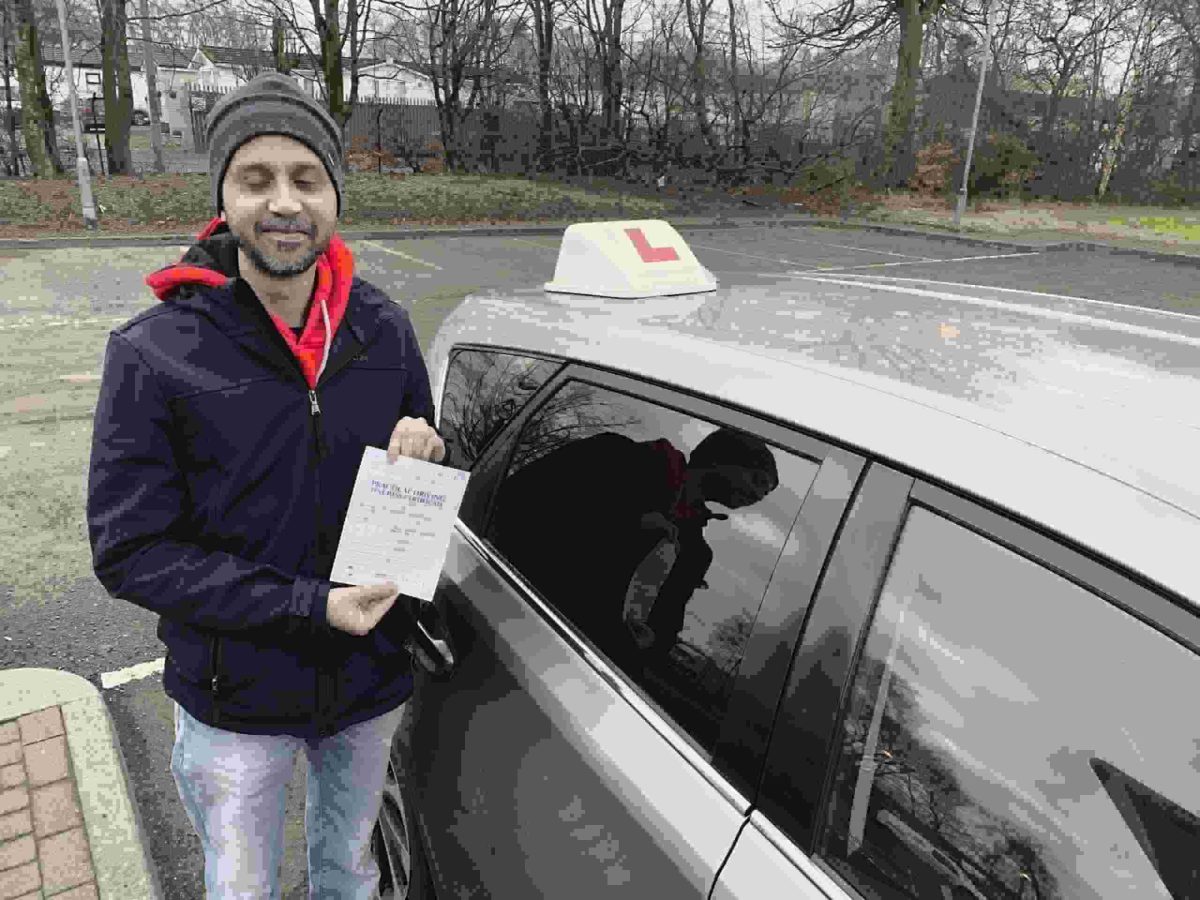
Learning To Drive the Right Way: Simple Notes for New Learners
The idea of learning to drive sounds fun until you actually sit in the driver seat. Then it hits you. The road looks wider, the mirrors feel too small, and you suddenly notice how many things happen at once. It’s normal to feel unsure in the beginning. Almost everyone does. What helps most is having someone beside you who explains things clearly without rushing you. When you learn with DVSA approved driving instructors, there’s a certain peace that comes from knowing the person next to you is trained, patient, and experienced in dealing with nervous starters.
What Makes a Good Instructor Stand Out
A good instructor isn’t someone who simply tells you when to turn or when to brake. It’s the way they talk, how they guide you through mistakes, and how they keep calm even when you’re gripping the wheel too hard. They don’t make you feel silly for asking basic questions. They don’t judge you for taking an extra minute to understand clutch control or roundabouts. They keep the lesson steady, and that stability helps you breathe a bit easier as you learn. When the instructor is qualified and trained — like DVSA approved driving instructors are — you feel supported in a way that actually builds confidence instead of stress.
Your first few lessons should never feel like a race to complete a checklist. A proper instructor breaks the process down so you learn in layers: basic movement, steering, safe stops, junctions, then traffic flow. When the steps feel clear and simple, the pressure drops and your learning feels much smoother.
Helpful Tips That Make Learning More Comfortable
A few small things can make the early driving days feel less overwhelming. For one, take your time. You’re not expected to pick up everything in a week. Some people understand road positioning quickly, others take a little longer to get used to mirrors or timing. Don’t compare yourself with friends who brag about passing fast. Everyone’s journey is different, and rushing usually makes things harder.
Ask questions whenever you need. Even if it feels like something you should already know, just ask. Clear answers save you from guessing and stressing. Try to stay relaxed too. Tension makes your movements jerky, and that makes the car feel harder to control. Take slow breaths, keep your shoulders loose, and trust that driving gets easier the more you practise.
The Confidence You Build Over Time
Learning to drive isn’t just about preparing for a test. It’s about gaining trust in yourself. At first, controlling the car feels like balancing a dozen things at once. But as the lessons go on, the tasks start blending naturally. You’ll notice how you check mirrors without thinking, how your hands turn smoothly around bends, and how you stay calmer in traffic. That shift happens quietly but steadily, and it’s one of the best parts of learning.
You also start enjoying the journey itself — the short drives, the small improvements, the “oh, I actually did that right” moments. Good instruction plays a huge role in this. When your instructor stays patient through your mistakes and helps you learn without pressure, everything feels more manageable.
A Gentle, Motivating Close
Driving doesn’t become easy all at once. It becomes easy one bit at a time. With steady lessons, a patient instructor, and your own willingness to learn, you’ll find yourself improving faster than you expect. Don’t worry about being perfect. Worry about being calm, safe, and open to learning. When those things fall into place, confidence follows naturally.
One day, you’ll sit behind the wheel and realise you’re not thinking about every move anymore — you’re simply driving. And that’s the moment you’ll know you did it right.





Leave a Reply