
Why Regular Hoof Checks Actually Matter More Than You Think
You don’t really think about hooves until something goes wrong. That’s just how it happens. The cows look fine from a distance; they are walking to the parlor, eating, lying down, doing what cows do. Everything feels normal. And then one morning, you notice one of them lagging behind. Not a dramatic change. But enough to make you pause.
You tell yourself it is probably nothing. Maybe she stepped wrong, or it will fix itself. But deep down, you already know that hooves don’t fix themselves. And regular hoof checks? They matter far more than most of us admit. Yes, this is true.
Why Consistent Hoof Monitoring Makes a Bigger Difference Than You Expect
Limp Starts Earlier Than You Notice
You see a limp. That is usually the first big sign. But the real problem begins weeks before that limp becomes visible. A slight weight shift, standing a bit longer before lying down, and eating a little less are quiet signals. Easy to miss when you have a hundred other things to do.
When we skip routine checks, small cracks turn into lesions, and minor overgrowth changes the way weight is distributed. Pressure builds. Infection finds its way in. By the time it is obvious, the damage is already done. That’s why consistent inspection and preventative hoof trimming is not just maintenance work. It is prevention in the truest sense.
Milk Production Doesn’t Drop Overnight, It Slips
You don’t walk into the cowshed one day and suddenly lose 10 liters per cow. It doesn’t happen like that. Instead, milk yield dips slowly. Feed intake goes down a bit. The cow lies down more because standing hurts. Blood flow shifts because of inflammation and stress.
Hoof pain affects everything, including digestion, breeding cycles, and immunity. We sometimes separate hoof health from the real performance metrics. But they are deeply connected. A comfortable cow eats better and produces better. It is not complicated. We just forget.
Treatment Costs More Than Prevention, Every Time
This is where it gets frustrating. Because treating a severe hoof issue is not just about trimming and sending her back out. There is medication, labour, and sometimes antibiotics. There is stress on the animal. And honestly, on you too.
When we skip routine hoof checks, we are not saving time or money; we are delaying a bigger bill. Regular checks catch early digital dermatitis and sole ulcers before they deepen. It is less dramatic, less expensive, and less painful.
Handling Matters More Than We Admit
Now let’s talk about something we don’t always connect to hoof health: how we handle the cows during checks. If the process is chaotic, stressful, or risky, we are less likely to do it regularly. And that becomes part of the problem.
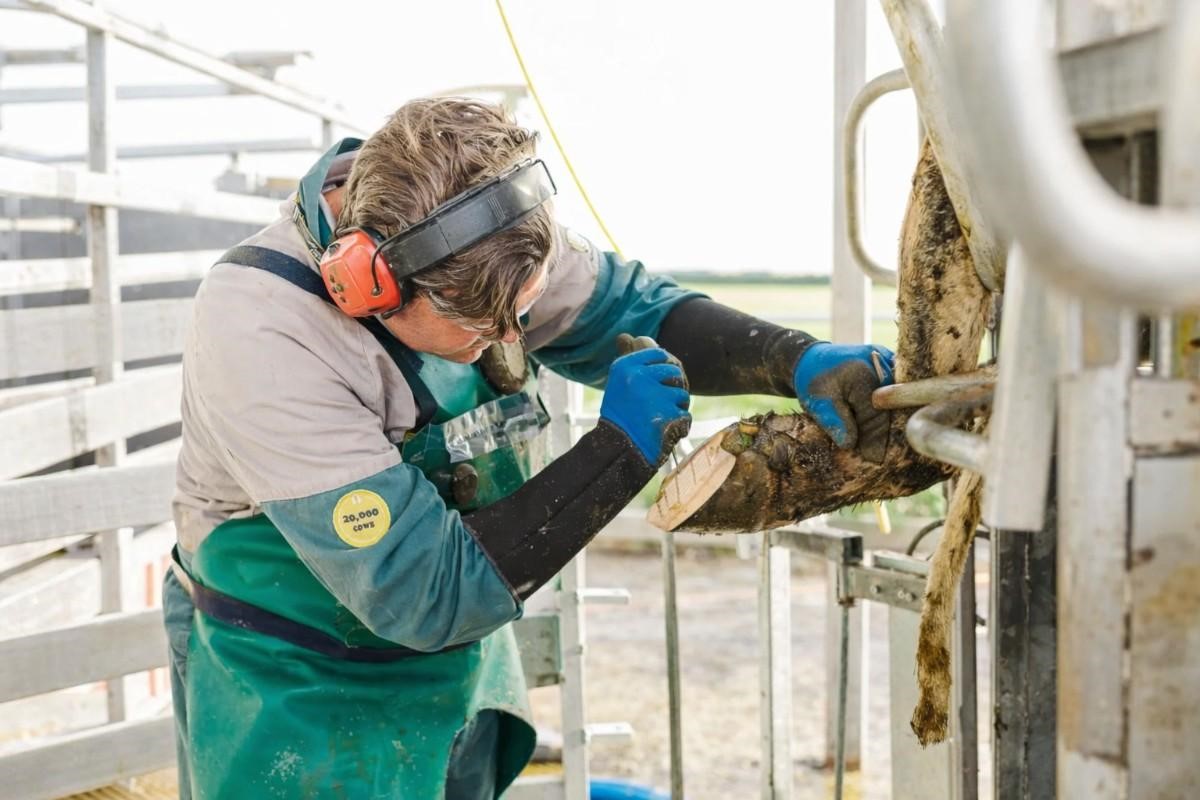
Using proper handling systems, like a hydraulic cattle crush for dairy cows, makes hoof inspection controlled and safer for everyone. The cow stands securely and works efficiently. There is less stress, less rushing, fewer shortcuts. And when the process feels manageable, you stick to a routine instead of putting it off for the next week.
It is About Welfare, But Also About Responsibility
There is a moment when you look at a lame cow and feel it. That quiet guilt. Because you know she is compensating for days, maybe weeks. Cows are stoic. They don’t announce pain loudly. They endure it.
Regular hoof checks are not just operational tasks on a calendar. They are a responsibility. We depend on these animals. So, we make sure they can walk, feed, and live comfortably. It sounds basic. But in the rush of daily farm life, basics are often what slip.
When you build hoof checks into your routine, you are choosing consistency over crisis, prevention over treatment, and noticing the small things before they grow teeth.
And once you see the difference, fewer lame cows, steadier production, calmer handling days, and you don’t go back. Because you realize hoof care was never a small detail. It was holding everything together all along.





Leave a Reply