
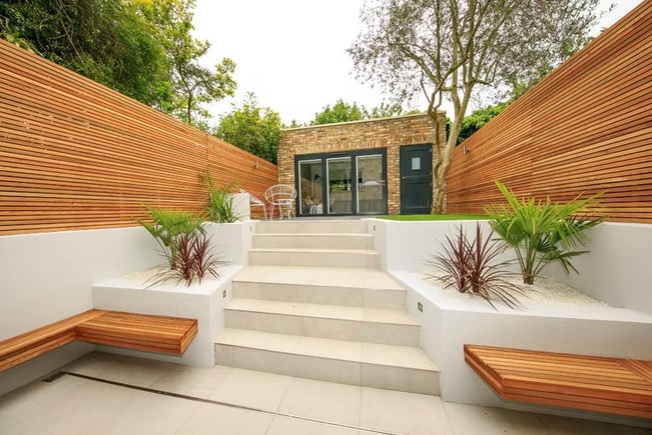
Why Smart Home Extensions Start With Thoughtful Planning Not More Space
Most people think about extending their home when something starts to feel off. The house still works, technically, but daily life feels tighter than it should. You bump into each other in the kitchen. Work spills into the living room. Storage turns into clutter no matter how often you clean. At that point, moving feels extreme, but staying exactly the same no longer makes sense either. A home extension becomes the quiet middle ground. Not a dramatic change, just a thoughtful one. The best extensions are not loud or trendy. They simply make life feel smoother, like the house finally understands how you live.
The mistake many people make is jumping straight to size. Bigger room, wider space, extra floor area. But good design starts earlier than that. It starts with understanding the problem behind the need. Is it lack of light. Is it poor flow. Is it rooms doing too many jobs at once. When those questions are answered honestly, the extension becomes a solution rather than just an addition. That mindset shapes everything that follows.
Start With Daily Life Not Drawings
Before lines are drawn or walls imagined, it helps to slow down and observe how the home is actually used. Where do mornings feel rushed. Where does everyone naturally gather in the evening. Which rooms feel calm and which feel chaotic. These details matter more than Pinterest boards ever will. A thoughtful Residential Design Studio usually spends time listening before suggesting anything. That is not wasted time. It is how spaces end up feeling personal rather than generic.
Design that grows out of real habits tends to age well. Trends change quickly, but routines change slowly. When an extension supports everyday life, it keeps working long after the excitement of new space fades. That is when a home starts to feel settled rather than constantly in progress.
Respect What Is Already There
Every house has its own logic. The way light enters. The way rooms connect. The way the structure holds itself together. Ignoring that often leads to extensions that feel awkward or forced. The goal is not to copy the existing home, but to respond to it with care.
An Architectural Designer looks closely at proportion and flow. They consider how new spaces will sit next to old ones and how movement through the house will feel once everything is connected. When done well, the extension feels natural, almost inevitable. Guests might not even notice where the original home ends and the new part begins. They just sense that the space works.
Planning Is Where Confidence Comes From
Planning can feel intimidating. Regulations, drawings, technical details, and approvals all pile up quickly. It is rarely the part people look forward to, but it is where confidence is built. Clear planning reduces surprises later, and surprises are what usually cause stress and delays.
Working with a Planning & Technical Design Studio helps bring structure to this phase. They translate ideas into clear documents and handle the details that most homeowners should not have to wrestle with. When planning is done properly, the build phase tends to move with fewer disruptions and far less anxiety.
Design Is More Than How It Looks
A successful extension is not judged by photos alone. It is judged by how it feels on an ordinary Tuesday afternoon. Does the light still feel good in winter. Does the space feel calm when the house is busy. Does it support privacy as well as connection. These are design questions, not decoration choices.
An Architectural Technologist often plays a key role here, bridging the gap between ideas and reality. They think about structure, materials, and buildability without losing sight of comfort. Their input helps ensure that good ideas actually work once walls go up and people move in.
Budget Is Part of the Creative Process
Budget is not the enemy of good design. In many ways, it sharpens it. Knowing the limits early encourages smarter decisions. It pushes the focus toward layout, light, and long term usability rather than surface level features.
Open conversations about cost help align expectations on all sides. Sometimes a small adjustment in structure or layout can have a bigger impact than expensive finishes. When money is spent with intention, the result often feels richer, even if the budget is modest.
Bringing It All Together
This is where Home Extension Design & Planning Services quietly bring value. Not by selling an idea, but by guiding the process from vague thoughts to clear outcomes. They help connect lifestyle needs with practical decisions, making sure nothing feels rushed or disconnected. The result is an extension that feels considered rather than accidental.
Studios like studio-mass often focus on clarity and collaboration. That approach helps homeowners feel involved without feeling overwhelmed. When communication stays simple and decisions are explained clearly, trust builds naturally throughout the project.
A Home That Keeps Up With Life
Homes need to adapt. Families grow. Work patterns shift. Priorities change. A well planned extension leaves room for those changes instead of locking the home into one moment in time. It supports life as it is now and leaves flexibility for what comes next.
If you are thinking about extending, give yourself time at the beginning. Ask better questions. Focus on how you want your home to feel, not just how much space you want to add. With thoughtful planning and grounded design, an extension can quietly transform daily life in ways that feel natural, lasting, and genuinely comfortable.


Leave a Reply