
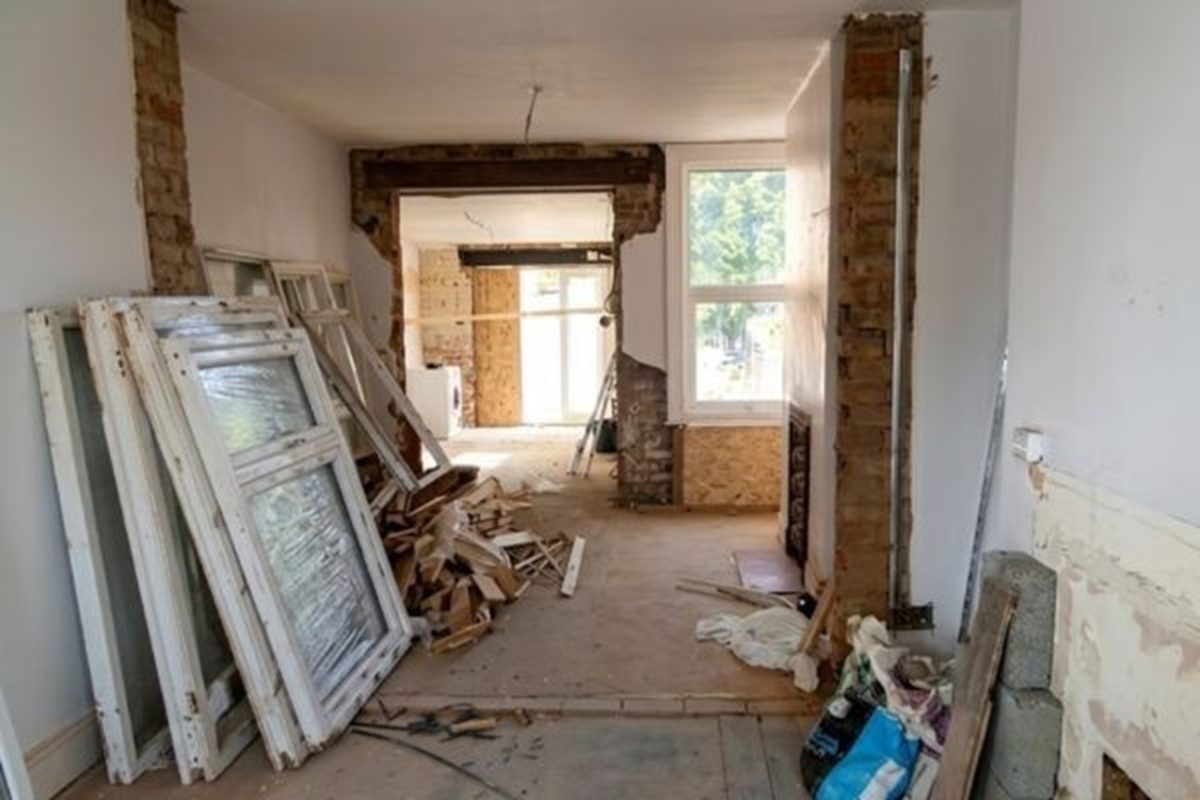
Before You Build: The London Home Extension Guide Nobody Talks About
So you have been staring at that cramped kitchen for months. Or maybe the kids have outgrown their rooms and moving feels like too much hassle and frankly too much money. A home extension starts to look really attractive. And for a lot of London homeowners it genuinely makes sense. But here is the thing most people skip over entirely. Before you start dreaming about bifold doors and open plan living there is one important step that could save you thousands of pounds and a mountain of stress. It is called a feasibility study. And if you are planning an extension in London it is probably the most useful thing you will do before a single brick gets laid.
What Even Is a Feasibility Study?
Think of it as doing your homework properly before committing. A feasibility study looks at whether your extension idea is actually realistic given your specific property, plot, location, and budget. It examines planning constraints, structural considerations, building regulations, and the overall viability of what you are hoping to achieve. In London especially this matters more than people realise because the city is a patchwork of conservation areas, listed buildings, and borough specific planning policies that can make or break a project before it even begins.
Why London Is a Different Beast Altogether
London is not like anywhere else when it comes to planning. The sheer density of housing, the mix of property types, and the variation between boroughs means the rules can feel like they change street by street. This is exactly why a house extension feasibility study in London is not just a nice to have but genuinely essential for most homeowners. Going straight to full planning drawings without understanding what your borough will and will not accept is a bit like booking a holiday without checking if your passport is valid. You might get away with it but the risk really is not worth it.
Permitted Development or Full Planning Permission?
One of the first things a feasibility study will tell you is whether your extension could be built under permitted development, meaning no full planning application needed, or whether you will need formal consent. In London permitted development rights are often removed or restricted especially in conservation areas and for flats so this single question alone is worth investigating early. Finding out after spending money on detailed drawings is far more painful than finding out at the start.
Site Constraints That Could Catch You Off Guard
Things like party walls, nearby trees with preservation orders, underground utilities, and the proximity of neighbouring properties all affect what you can realistically build. A proper feasibility study surfaces all of these early when changes are still easy and inexpensive to make. Discovering a protected tree sits exactly where your extension needs to go halfway through a project is not a fun conversation to have.
Does Your Design Idea Actually Work in Reality?
It is very easy to fall in love with an extension concept before checking whether it is spatially or structurally achievable. A feasibility study tests your ideas against the real conditions of your home and plot. Can the layout you have in mind actually function well? Will it sit comfortably with the existing building? These are questions worth answering before any detailed design work begins and before any money changes hands.
The Budget Conversation Nobody Wants to Skip
Costs in London are significantly higher than most people budget for and a feasibility study gives you a much clearer picture of what your proposal is likely to cost. It helps you understand early whether your vision and your budget are actually aligned. Adjusting the scope of a project at feasibility stage costs almost nothing. Adjusting it after detailed drawings are done is expensive and demoralising.
Getting the Right Person Involved
For this kind of work you want someone who genuinely understands London planning and residential design. An experienced architectural designer or architectural technologist who works regularly across London boroughs will know the local policies, the planning history of similar projects, and where the pressure points tend to be. Ask about their experience with similar properties in similar locations, look at past projects, and make sure they are actually listening to what you want rather than pushing a standard solution.
So Is a Feasibility Study Worth It?
Absolutely yes. Every single time. For anyone seriously considering a house extension feasibility study in London treating it as the foundation of your project rather than an optional extra is one of the smartest decisions you can make. Extensions done well can genuinely transform a home and add real value to your life and your property. But getting there smoothly takes preparation. Do the groundwork first. Your future self will be very glad you did.



Leave a Reply