
Lake Management Services: Simple Ways to Keep Your Lake Healthy and Beautiful
There is something about a lake that makes you slow down. The quiet water, the trees along the shore and the sound of nature can turn an ordinary afternoon into something peaceful. But keeping a lake looking beautiful is not always as simple as it seems. Water levels change, storms bring runoff and weeds can spread faster than expected. A healthy lake needs regular attention, even when everything looks fine on the surface.
Why Lake Care Matters
A lake is a living environment. Fish, plants, birds and other wildlife all depend on the quality of the water and the condition of the shoreline. When problems begin, they can affect more than just how the lake looks. Poor water flow, erosion, excess nutrients and unwanted plant growth can gradually change the entire area. Regular care can help you notice these changes early and protect the natural balance of the lake.
Start With the Water
Clear water is usually one of the first things people notice. If the water suddenly looks cloudy, unusually green or covered with floating growth, something may have changed. Heavy rain can carry soil and nutrients into the lake. Runoff from nearby land can also affect water quality. Paying attention to these changes can help you understand what is happening before the problem becomes more difficult to manage.
Keep an Eye on the Shoreline
The shoreline takes a lot of punishment. Rain, waves, changing water levels and foot traffic can slowly wear away soil. Once erosion starts, it can expose roots and create unstable areas along the edge. Natural vegetation can help hold the soil in place, so removing every plant near the water is not always the best idea. A healthy mix of grasses, shrubs and other suitable plants can provide useful protection.
Drainage Makes a Difference
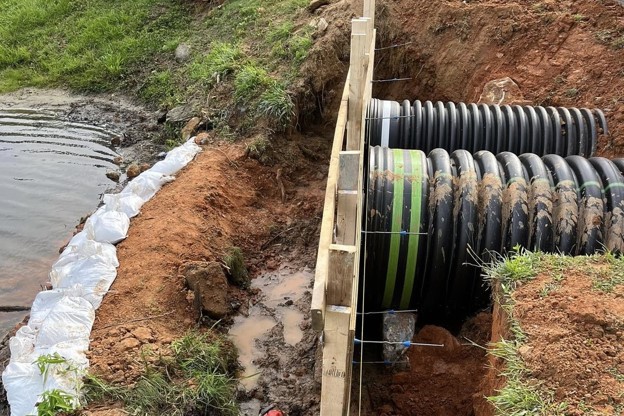
Water needs a clear path. When drainage areas become blocked or damaged, water may collect in the wrong places. This can create muddy ground, wash away soil or send too much runoff into the lake. Culverts are especially important because they help move water beneath roads, driveways and other crossings. If a culvert becomes blocked or damaged, timely culvert repair can help restore proper water flow and reduce the risk of further erosion or flooding.
What Professional Lake Care Can Include
Every lake has its own personality. Soil conditions, water depth, surrounding vegetation, drainage patterns and local weather can all affect what the property needs. Lake management services can involve many different forms of care, from monitoring water quality and managing vegetation to addressing erosion and improving drainage. The goal is not to change the lake completely. It is to understand what the lake needs and help it remain healthy over time.
Watch for Unwanted Plant Growth
A few aquatic plants can be perfectly normal. In fact, they can provide shelter for fish and other wildlife. The problem starts when certain plants spread too quickly and begin taking over. Thick growth can affect recreation, water movement and the overall appearance of the lake. Removing everything may not be the answer either. Good management is about finding a reasonable balance and understanding what is growing and why.
Storms Can Tell You a Lot
After a major storm, take a look around the lake when it is safe. You may notice fresh erosion, muddy runoff, floating debris or water collecting in areas where it normally does not. These details can reveal how water is moving across the property. A few minutes of observation can sometimes tell you more than you expect. It also gives you a chance to spot small concerns before they turn into larger ones.
Think About the Lake as a Whole
It is easy to focus on one visible problem. Maybe there is an eroded section of shoreline or too much vegetation in one area. But lakes are connected systems. What happens on the surrounding land can affect the water, and what happens in the water can affect the shoreline. Looking at the whole property often leads to better decisions than treating each issue as a separate problem.
Protect the Lake for the Future
A well cared for lake does not happen overnight. It takes observation, patience and regular attention. You do not have to make everything perfect. The real goal is to keep water moving properly, protect the shoreline, maintain a healthy balance of plants and respond when something changes.
A lake should be a place where you can relax, spend time outdoors and enjoy nature. With thoughtful care, that feeling can last for years. Sometimes the best lake management is simply paying attention, understanding the land and giving the water what it needs to stay healthy.



Leave a Reply